


 Tiếng Việt
Rice is one of Vietnam’s strategic agricultural products and plays an important role in the country’s domestic trade and international export activities. In recent years, Vietnam has strengthened its position as one of the world’s leading rice-exporting countries, with Vietnamese rice reaching a growing number of international markets.
Thanks to favorable natural conditions, combined with advances in cultivation technology, rice breeding, processing, and quality control, Vietnam produces a wide range of high-quality rice varieties that meet the diverse requirements of international buyers.
From premium aromatic rice varieties such as ST25 and ST24 to Jasmine, Japonica, OM5451, IR50404, and Vietnamese glutinous rice, each variety has its own characteristics, advantages, applications, and target markets.
In this article, we will explore the top Vietnamese rice varieties for export, together with their key characteristics, applications, and suitable international markets.
Why Is Vietnamese Rice Popular in International Markets?
For many years, Vietnam has remained among the world’s leading rice-exporting countries, supplying a diverse range of rice varieties to international markets.
The quality of Vietnamese rice has improved significantly, while abundant and relatively stable supply allows exporters to serve different market segments throughout the year.
Vietnamese rice is becoming increasingly competitive not only in terms of volume but also in quality, as producers and exporters continue to adopt modern cultivation, processing, food safety, and traceability systems.
From premium aromatic rice such as ST24 and ST25 to competitively priced varieties for mass consumption, Vietnamese rice products are developed to meet the requirements of different market segments.
So, what makes Vietnamese rice competitive in the international market?
Favorable Natural Conditions
Favorable agricultural conditions play an important role in producing high-quality rice and maintaining a stable supply.
Vietnam has extensive fertile rice-growing areas, with the Mekong Delta being the country’s largest rice-producing region and an important source of export rice.
Large areas of the Mekong Delta benefit from fertile alluvial soil, particularly along the Tien and Hau Rivers. The region’s extensive network of rivers and canals also provides favorable conditions for irrigation and rice cultivation.
With these natural advantages, the Mekong Delta contributes a significant share of Vietnam’s rice production and export supply, helping Vietnamese rice reach international markets and providing a stable source of raw materials for exporters.
A Wide Range of Rice Varieties for Different Market Segments
Vietnam’s competitiveness in the global rice market is not based solely on favorable agricultural conditions. The country also produces a wide range of rice varieties suitable for different consumer preferences and market segments.
Popular Vietnamese rice varieties include ST25, ST24, Jasmine, Japonica, OM5451, IR50404, and glutinous rice. Each variety has distinctive characteristics in terms of grain shape, aroma, texture, cooking quality, and intended use.
ST25 and ST24 are positioned in the premium aromatic rice segment, while OM5451 and IR50404 are more suitable for markets where competitive pricing and stable supply are important.
Vietnamese glutinous rice is widely used in food processing and is exported to markets with demand for sticky rice and glutinous rice-based products.
This diversity allows Vietnamese rice exporters to develop customized supply solutions for buyers across Asia, Europe, the Middle East, and Africa.
Improving Rice Quality
The quality of Vietnamese rice has continued to improve through the adoption of modern agricultural technologies, the development of high-quality rice varieties, and tighter control throughout cultivation, harvesting, storage, milling, and processing.
Farmers and businesses are increasingly focused on maintaining quality from the early cultivation stages through to harvesting and post-harvest handling, helping preserve the rice’s taste, texture, and nutritional value.
Packaging and labeling have also become more professional. Many Vietnamese rice exporters now use modern packaging solutions with product information and traceability details to meet the food safety and transparency requirements of international markets.
In addition, many rice-growing areas have adopted standards and sustainable farming practices such as VietGAP and GlobalG.A.P., depending on the requirements of the target market.
The combination of rice quality, modern processing technology, professional packaging, and traceability systems is helping Vietnamese rice strengthen its position in the global market and increase its export value.
Top Vietnamese Rice Varieties for Export
Vietnam is one of the world’s major rice-producing and rice-exporting countries, offering a diverse portfolio of rice varieties such as ST24, ST25, Jasmine, Japonica, OM5451, IR50404, and glutinous rice.
Each variety has distinctive characteristics in terms of aroma, grain shape, texture, cooking properties, and applications.
Depending on the requirements of the destination market and end consumers, international buyers can select the most suitable Vietnamese rice variety for their business.
Below are some of the most commonly exported Vietnamese rice varieties.
1. ST25 Rice
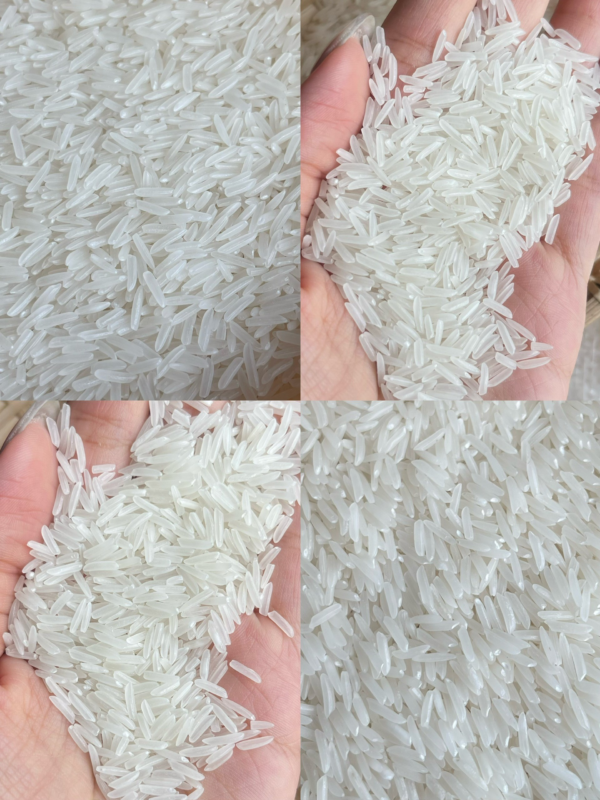
ST25 rice is one of Vietnam’s premium aromatic rice varieties. It was developed by Vietnamese rice breeder and engineer Ho Quang Cua and his associates.
ST25 rice features long, slender grains with a bright, translucent appearance and low chalkiness. When cooked, the rice has a soft and slightly chewy texture, a naturally sweet taste, and a distinctive pleasant aroma.
Thanks to its quality and distinctive sensory characteristics, ST25 has received international recognition, including awards at the World’s Best Rice competition, contributing to the growing international recognition of Vietnamese premium rice.
ST25 is particularly suitable for premium consumer markets and is of interest to buyers in markets such as Europe, the United States, and Japan, subject to applicable import and food safety requirements.
Its premium positioning also gives ST25 strong potential for value-added rice exports and international Vietnamese rice branding.
2. ST24 Rice
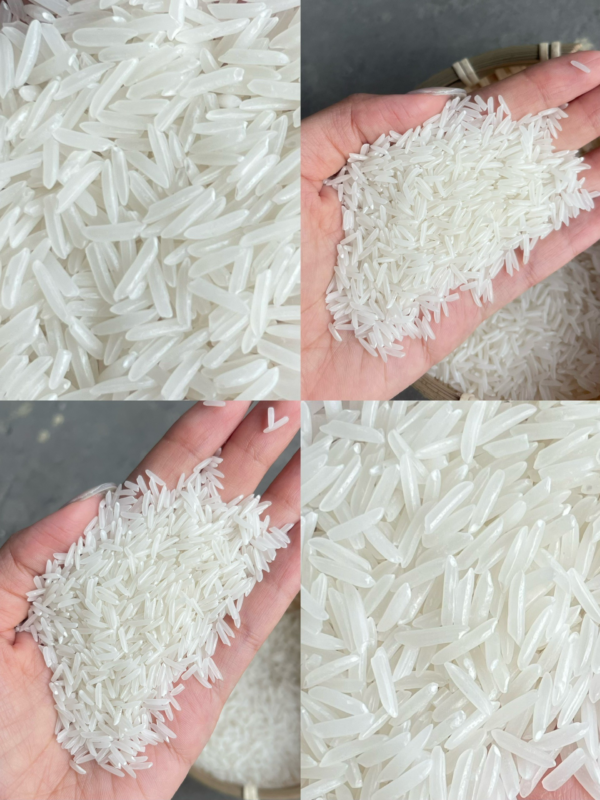
ST24 rice is a high-quality aromatic rice variety developed by Ho Quang Cua and his associates.
ST24 has long, slender, uniform grains with a bright appearance and low chalkiness. One of its distinctive characteristics is its pleasant pandan-like aroma.
When cooked, ST24 provides a soft and chewy texture and maintains good eating quality even after cooling.
ST24 has also received international recognition, including a top-three placement at the World’s Best Rice competition.
With its combination of quality, aroma, and relatively competitive pricing compared with some premium rice varieties, ST24 is suitable for both domestic consumption and export markets.
3. Jasmine Rice
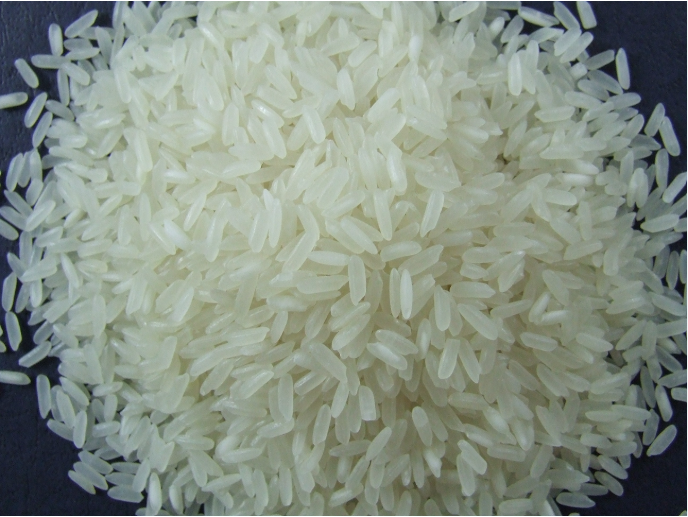
Vietnamese Jasmine rice is one of the country’s most widely exported aromatic rice varieties.
It typically features long, slender, bright grains with good uniformity. When cooked, Jasmine rice has a moderately soft and slightly sticky texture while maintaining a pleasant aroma and good eating quality after cooling.
With consistent quality and competitive pricing, Vietnamese Jasmine rice is widely considered for export to markets such as the Philippines, the Middle East, and parts of Africa.
Jasmine rice is suitable for a broad range of customers, from retail consumers to restaurants, hotels, foodservice operators, and wholesalers.
4. Japonica Rice
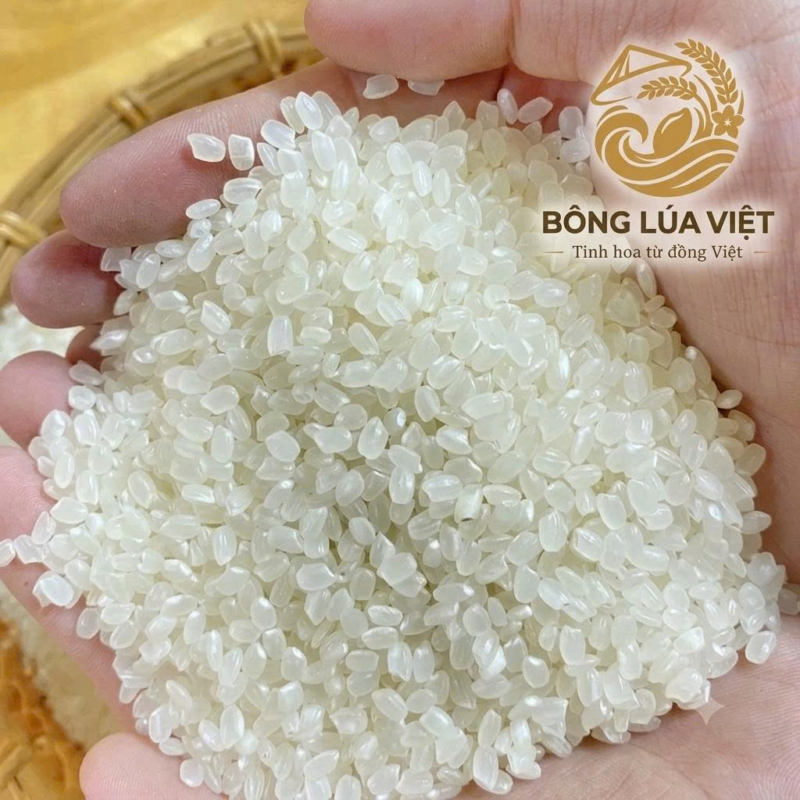
Japonica rice is traditionally associated with Japan and is characterized by its short, round, uniform grains and relatively low breakage.
The grains have a bright appearance and are commonly used in Japanese, Korean, and other East Asian cuisines.
Japonica rice is particularly suitable for markets and foodservice applications requiring a soft, sticky texture.
Because of its texture and cooking characteristics, Japonica rice is commonly used in dishes such as sushi, rice rolls, and other traditional Asian dishes.
Vietnamese-produced Japonica rice can be an attractive option for international buyers looking for a stable supply of Japonica-type rice, subject to the quality and import requirements of the destination market.
5. OM5451 Rice
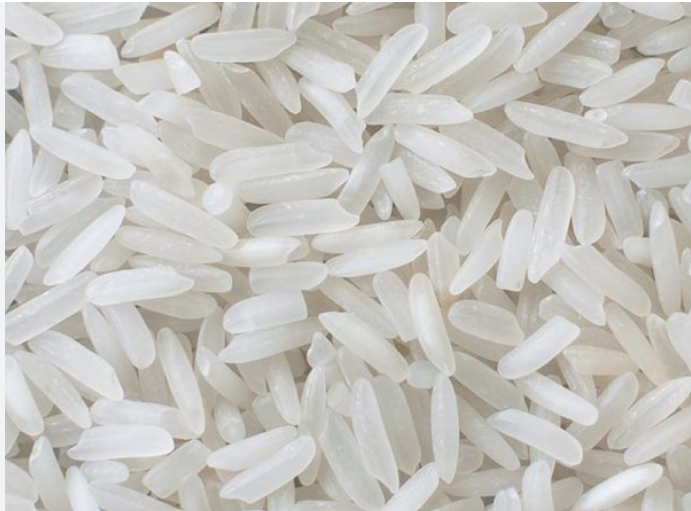
OM5451 rice is a widely cultivated rice variety in the Mekong Delta and is produced in significant volumes.
The grains are relatively long with a bright white appearance. When cooked, OM5451 offers a soft texture and mildly sweet taste.
One of its key advantages is the combination of stable quality, reliable supply, and competitive pricing, making it suitable for large-volume rice export transactions.
OM5451 is exported to various markets in Asia, Africa, and the Middle East, particularly where buyers prioritize a balance between quality and price.
6. IR50404 Rice
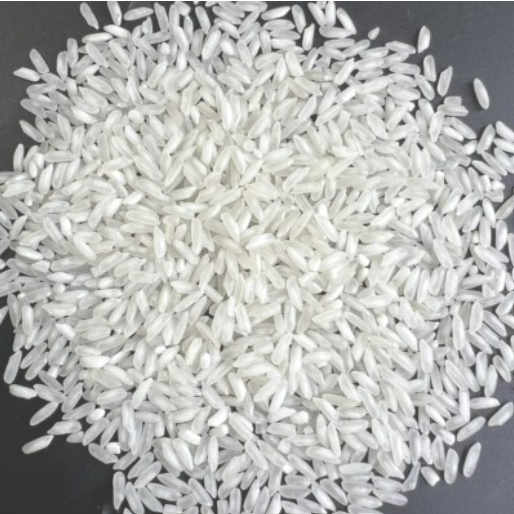
IR50404 rice is a high-yielding variety with a relatively short growing cycle and is widely cultivated in Vietnam.
The grains have a white appearance and a milder aroma compared with premium aromatic rice varieties.
IR50404 is particularly suitable for mainstream consumption and food processing applications. It can be used as a raw material for products such as rice noodles, rice paper, rice flour, and other processed foods.
Its competitive pricing and large, stable supply make IR50404 suitable for export markets where price competitiveness and volume are key considerations.
The variety has contributed to Vietnam’s ability to supply large volumes of competitively priced rice to international markets.
7. Vietnamese Glutinous Rice

Vietnamese glutinous rice, also known as sticky rice, is another important rice product with export potential.
The grains are typically opaque white and have a high starch content, resulting in a characteristic sticky and chewy texture when cooked.
Glutinous rice is widely used to prepare traditional Vietnamese and Asian foods, including xôi (sticky rice), bánh chưng, bánh tét, bánh dày, and various traditional rice-based products.
With stable quality and abundant raw material availability, Vietnamese glutinous rice is exported to markets including China, the Philippines, and other Southeast Asian countries, serving both retail consumption and food processing applications.
Conclusion
Vietnam has established itself as one of the world’s major rice-producing and rice-exporting countries, offering a diverse portfolio of rice varieties to meet the requirements of different international markets.
From premium aromatic varieties such as ST25 and ST24 to Jasmine, Japonica, OM5451, IR50404, and Vietnamese glutinous rice, each product has its own characteristics and is suitable for different customer segments and applications.
Combined with favorable agricultural conditions, improving production technology, modern rice processing, and increasingly robust quality-control and traceability systems, Vietnamese rice continues to strengthen its position in the international market.
For international buyers, importers, distributors, wholesalers, food manufacturers, and foodservice businesses, the diversity of Vietnamese rice varieties provides greater flexibility in selecting products according to market requirements, target consumers, quality specifications, packaging needs, and price segments.
We hope this article has helped you better understand the most popular Vietnamese rice varieties for export and the characteristics of each product.
If you are looking for a reliable supplier of Vietnamese export rice, or need advice on selecting the right rice variety for your target market, contact BONG LUA VIET.
Our team is ready to support international buyers with suitable Vietnamese rice varieties, product specifications, packaging solutions, and export supply requirements.
BONG LUA VIET – Your Partner for Vietnamese Rice and Agricultural Products.