


 Tiếng Việt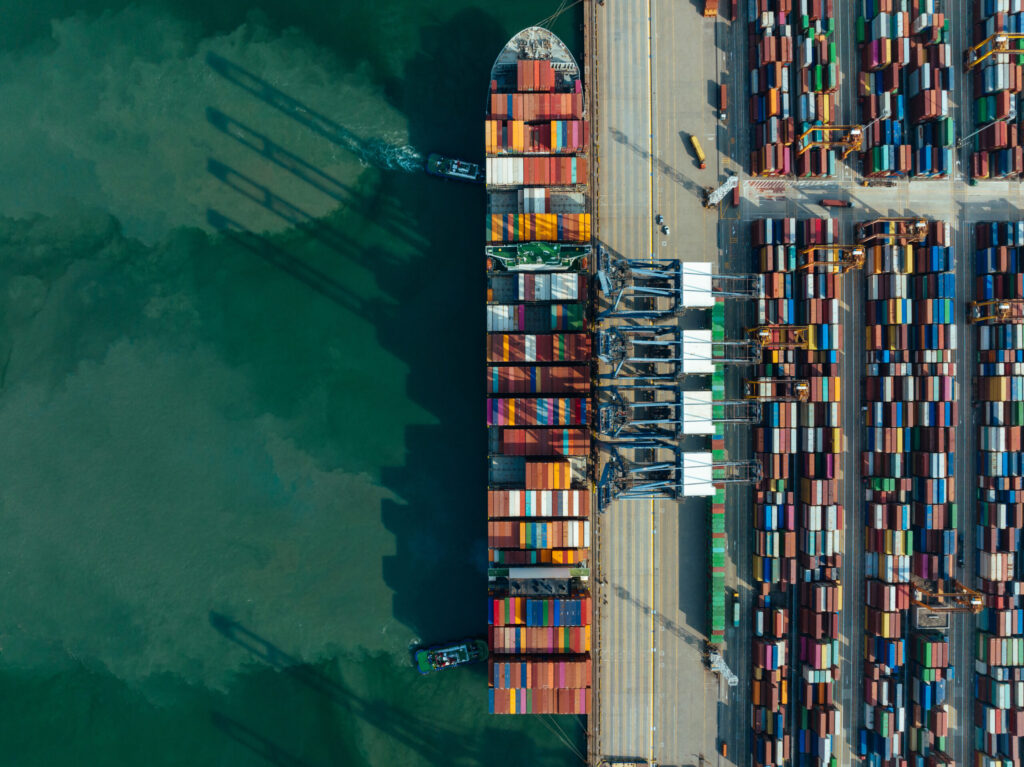
Amid continuous changes in the global food supply chain, Vietnam continues to strengthen its position as one of the world’s leading rice-exporting countries. As one of the world’s major agricultural exporters, Vietnam has a strong presence in the global rice market, with Vietnamese rice exported to more than 150 countries and territories.
However, import requirements vary significantly from one market to another. While traditional markets focus primarily on volume and competitive pricing, premium markets impose increasingly stringent requirements on quality, food safety, traceability, and sustainability.
To effectively capitalize on these opportunities, rice exporters cannot rely solely on production capacity. They need to gain a deeper understanding of the specific requirements of each target market. Proactively analyzing market conditions allows businesses to develop suitable product strategies, optimize resources, and strengthen their competitiveness.
This article provides an overview of Vietnam’s major rice export markets, their growth potential, and key considerations for businesses looking to expand their presence in international markets.
Overview of Vietnam’s Rice Export Market
Rice exports have long played an important role in Vietnam’s agricultural sector. The industry not only contributes significantly to the national economy but also plays an important role in global food security.
In recent years, Vietnam’s rice export industry has undergone significant changes in terms of export volume, product varieties, and market positioning. Vietnamese rice exporters are increasingly moving toward higher-value products and premium international markets.
The Role of Rice Exports in Vietnam’s Economy
As one of Vietnam’s key agricultural export products, rice generates billions of US dollars in export revenue each year, contributing significantly to the country’s trade balance and economic growth.
The rice industry also provides employment and income for millions of farming households, particularly in the Mekong Delta, which supplies more than 90% of Vietnam’s rice exports.
Vietnamese rice currently accounts for approximately 15% of global rice exports and reaches more than 150 countries and territories, reinforcing Vietnam’s role as an important source of food supply for international markets.
Key Factors When Choosing a Rice Export Market
Every rice-exporting company has different capabilities, resources, and business objectives. Therefore, not every international market is equally suitable for every exporter.
To optimize resources and minimize commercial risks, businesses should carefully evaluate several key factors when selecting target export markets. These include consumer demand, import standards, logistics costs, trade policies, and the company’s own supply and compliance capabilities
Consumer Demand in Different Markets
Different regions have distinct food cultures, consumption habits, and preferences.
Some markets prioritize standard white rice, while others have stronger demand for fragrant, premium, or specialty rice.
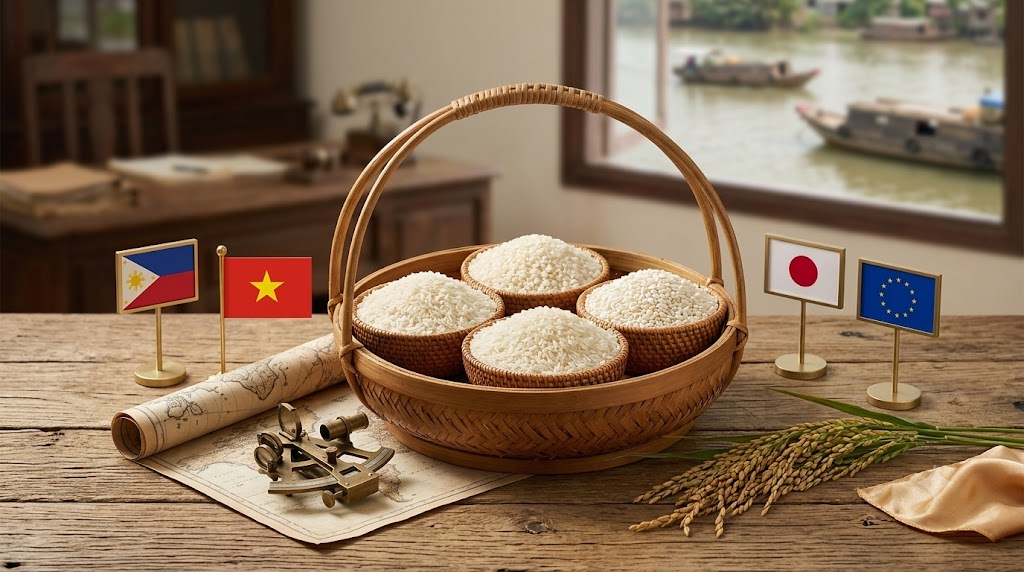
Southeast Asian markets such as the Philippines and Indonesia have significant demand for standard white rice to meet domestic consumption requirements. Meanwhile, consumers in developed markets such as the EU and the United States tend to have stronger demand for long-grain rice, premium fragrant rice such as ST25 and Jasmine Rice, as well as organic rice.
Understanding consumer demand allows exporters to select suitable products and avoid entering markets with rice varieties that lack a competitive advantage.
Import Standards and Food Safety Requirements
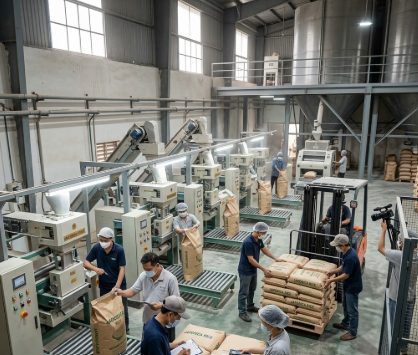
Each international market has its own food safety regulations and import standards. Compliance with these requirements is a critical factor in determining whether a rice shipment can successfully enter a foreign market.
Exporters need to pay particular attention to rice quality specifications such as broken rice percentage, moisture content, and foreign matter, as well as strict requirements regarding pesticide Maximum Residue Limits (MRLs), heavy metals, and mycotoxins.
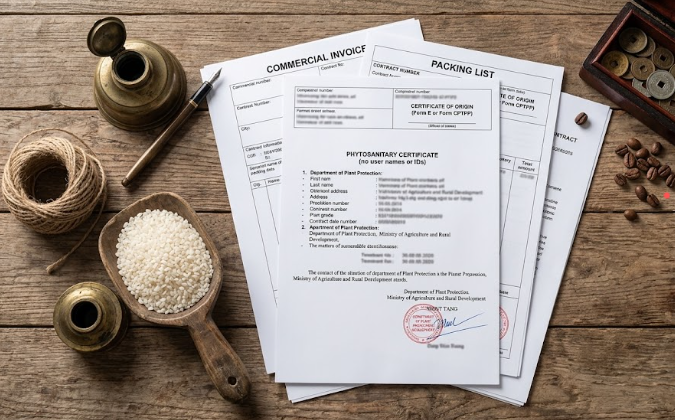
Many markets also require a Phytosanitary Certificate and other relevant documentation.
Proactively monitoring regulatory changes and obtaining appropriate international certifications such as HACCP, ISO 22000, Halal, and Organic certification can help exporters facilitate customs clearance and improve market access.
For more information about rice quality standards, export documentation, and international requirements, see our guide: What Are Vietnam’s Rice Export Standards? Requirements for International Rice Exports.
Trade Policies and Import Tariffs
Each market has its own import tariffs, quotas, and trade regulations for rice. Exporters should carefully review these requirements to accurately calculate costs, establish competitive pricing, and assess market opportunities.
Businesses should also take advantage of tariff preferences available under Free Trade Agreements involving Vietnam, including the EVFTA, CPTPP, and RCEP.
Complying with rules of origin and preparing the required documentation correctly can help shipments qualify for preferential tariff rates, reducing costs and improving overall export efficiency.
Logistics and Transportation Costs
Logistics costs and transportation time directly affect export costs, competitiveness, and profit margins.
Geographical distance, ocean freight rates, container availability, and shipping schedules can all influence the total cost of an export shipment and the condition of rice when it reaches the destination port.
Therefore, exporters should assess port infrastructure, prepare for fluctuations in freight rates, and work with reliable logistics partners to optimize transportation costs, maintain delivery schedules, and fulfill contractual commitments.
Major Rice Export Markets for Vietnam
Vietnam currently exports rice to more than 150 countries and territories worldwide. Among these destinations, several markets play a particularly important role due to their stable import demand, large volumes, or high economic value.
However, each market has different consumer preferences, import regulations, and competitive opportunities. Understanding these characteristics allows rice exporters to identify suitable target markets and develop more effective export strategies.
Philippines Rice Market
For many consecutive years, the Philippines has remained one of Vietnam’s largest rice export markets, often accounting for approximately 35–40% of Vietnam’s annual rice export volume.
Because domestic rice production does not always fully meet local consumption requirements, the Philippines maintains substantial demand for imported rice.
Vietnamese rice exporters benefit from geographical proximity to the Philippines, which helps reduce logistics costs, shorten delivery times, and maintain stable supply, particularly for 5% broken and 15% broken white rice.
However, exporters should closely monitor changes in Philippine import policies, tariffs, and government procurement or tendering regulations in order to develop appropriate export plans and minimize potential risks.
Indonesia Rice Market
Unlike markets with relatively consistent commercial import demand, Indonesia often increases rice imports during periods when domestic supply is insufficient.
Adverse weather conditions and declining domestic rice production can lead Indonesia to increase imports to secure food supplies.
Large-scale rice procurement in Indonesia is frequently conducted through international tenders organized by the National Food Agency and related government mechanisms, particularly for food reserves and food security purposes.
Therefore, rice exporters targeting Indonesia need reliable supply capacity and the ability to fulfill large-volume orders within relatively short timeframes. They must also meet requirements relating to moisture content, broken rice percentage, and other technical specifications established by the buyer or relevant authorities.
China Rice Market
China is a diverse rice market with demand for various products, including white rice, glutinous rice, and premium fragrant rice.
Vietnam’s geographical proximity to China provides advantages in terms of transportation time and logistics costs, helping exporters maintain relatively efficient supply chains.
However, China has strengthened its import controls in recent years and has increasingly emphasized formal trade channels and stricter technical requirements.
Businesses seeking to export rice to China need to comply with registration and approval requirements administered by the General Administration of Customs of China (GACC), as well as requirements concerning phytosanitary controls, traceability, labeling, packaging, and other import regulations.
European Union Rice Market
The European Union is a high-value market for rice exports, offering opportunities for Vietnamese businesses to achieve greater added value.
Under the Vietnam–EU Free Trade Agreement (EVFTA), certain Vietnamese rice products may benefit from preferential tariff treatment when all applicable requirements and conditions are met.
Although the EU market is smaller in volume than some major Asian markets, it applies stringent requirements regarding pesticide Maximum Residue Limits (MRLs), heavy metals, traceability, food safety, and sustainability throughout the supply chain.
Meeting these requirements can help Vietnamese rice exporters access the EU market while strengthening product credibility and the international value of Vietnamese rice.
Middle East Rice Market
The Middle East has stable demand for long-grain fragrant rice and other high-quality rice products.
Consumers in the region often prioritize rice with distinctive aroma, consistent grain quality, and strong food safety credentials.
To access this market, exporters need to comply with relevant product standards and certification requirements. Halal certification is particularly important for many Muslim-majority markets.
In addition, using secure international payment methods such as Letters of Credit (L/C) and working with reputable business partners can help exporters manage financial risks and improve transaction security.
African Rice Market
With a large and growing population, Africa represents a major region for imported rice and offers significant potential for future market expansion.
Many African markets have strong demand for standard and medium-grade white rice at competitive prices, creating opportunities for Vietnamese exporters to expand their market presence.
However, businesses entering African markets should carefully evaluate potential partners, including their financial capacity and commercial track record. Using secure international payment methods and conducting appropriate due diligence can help reduce transaction and payment risks.
Japan Rice Market
Although Japan is not among the world’s largest rice import markets by volume, it is widely regarded as a highly demanding market in terms of quality and food safety.
Consumers and distributors in Japan expect consistent quality, uniform grain characteristics, good taste, and strict food safety compliance.
To successfully access the Japanese market, exporters need robust production and quality-control systems, strict management of pesticide MRLs, and compliance with phytosanitary, traceability, and other import requirements.
Successfully meeting Japanese market requirements can help demonstrate a company’s ability to maintain internationally competitive quality standards.
United States Rice Market
The United States is an important high-value market for Vietnamese rice, particularly for fragrant and premium rice varieties.
Demand is supported by Asian consumer communities as well as broader interest in food products with clear origins and consistent quality.
To compete in the US market, exporters need to comply with food safety, labeling, traceability, and product-quality requirements while maintaining consistency across shipments.
Building a strong brand and developing effective distribution channels can also help Vietnamese rice exporters increase product value and expand their presence in the US market.
Which Types of Vietnamese Rice Are Suitable for Different Markets?
Different markets have different consumer preferences and quality requirements. Therefore, not every rice variety is suitable for every country.
Selecting the right rice variety for each target market can improve competitiveness, optimize export value, and reduce commercial risks.
| Market | Suitable Rice Types | Key Demand Characteristics |
| Philippines | 5% broken, 15% broken white rice | High demand and competitive pricing |
| Indonesia | White rice | Government tenders and food reserves |
| China | Glutinous rice, fragrant rice | Diverse consumer demand |
| Japan | Japonica rice | High quality and strict standards |
| EU | ST24, ST25, Jasmine | Premium value and demand for fragrant rice |
| United States | ST24, ST25, Jasmine | Premium market segment |
| Middle East | Long-grain fragrant rice | Strong preference for aromatic rice |
| Africa | Standard white rice | Competitive pricing and large volumes |
As shown above, each rice-importing market has its own consumer preferences and technical requirements.
While the Philippines and Indonesia generally have strong demand for large volumes of white rice to meet domestic consumption and food-security needs, the EU, United States, and Japan place greater emphasis on premium rice, food safety, traceability, and consistent product quality.
In the Middle East, long-grain fragrant rice is widely preferred for its distinctive aroma and eating characteristics, while China has diverse demand ranging from white rice and glutinous rice to fragrant rice.
Therefore, carefully researching each market enables exporters to select suitable products, improve export efficiency, and develop sustainable international business strategies.
Key Requirements for Exporting Rice to International Markets
Selecting the right rice variety is only one part of a successful export strategy. Businesses must also comply with the quality, legal, technical, and documentation requirements imposed by each destination market.
Quality control should begin at the raw-material and cultivation stages and continue throughout processing, packaging, storage, and transportation.
Transparent traceability is particularly important for demanding markets such as the EU, United States, and Japan. Exporters must also comply with applicable packaging and labeling requirements to protect product quality throughout the transportation process.
At the same time, preparing complete export documentation—including commercial contracts, Certificates of Origin (C/O), Phytosanitary Certificates, and other required documents—helps facilitate customs clearance and allows exporters to take advantage of preferential tariffs available under applicable FTAs.
Although each international market has different requirements, exporters should establish a consistent quality-management system and regularly monitor changes in import regulations to strengthen their competitiveness in the global rice market.
For detailed information about technical requirements, export documentation, and international rice standards, see our guide: Vietnam Rice Export Standards: Requirements for International Rice Exports.

Conclusion
Each rice export market has different consumer preferences, import standards, and trade policies.
Therefore, carefully researching individual markets, selecting suitable rice varieties, and meeting the relevant technical and regulatory requirements can help exporters strengthen competitiveness, improve export efficiency, and expand their international market presence.
As global demand for high-quality rice continues to grow, Vietnamese rice exporters need to proactively monitor market trends, make effective use of Free Trade Agreements (FTAs), and develop flexible business strategies to create greater value for Vietnamese rice in international markets.
Every market has different requirements and preferences for rice varieties and quality standards. BONG LUA VIET offers a diverse range of Vietnamese rice products for export, supported by a professional team ready to help businesses identify suitable products and solutions for different markets and buyer requirements.
Contact BONG LUA VIET to learn more about our Vietnamese rice products and export solutions.