


 Tiếng Việt
Vietnam is currently one of the world’s leading rice-exporting countries, with Vietnamese rice products reaching major markets across Europe, the United States, Japan, South Korea, and the Middle East. In addition to strengthening Vietnam’s position in the global rice market, the country’s rice industry continues to improve product quality to meet the increasingly diverse requirements of international importers and buyers.
However, as Vietnam’s rice export industry continues to grow, international markets are also becoming increasingly demanding. To export rice to another country, businesses must comply with specific requirements relating to rice quality, food safety, and packaging standards.
In this article, we will explore what Vietnam rice export standards are, the key requirements that exporters need to meet, the most common certifications in the rice export industry, and the standards applied by different destination markets. Understanding these requirements can help businesses prepare for international trade, facilitate customs clearance, and ensure a smoother and more efficient rice export process.
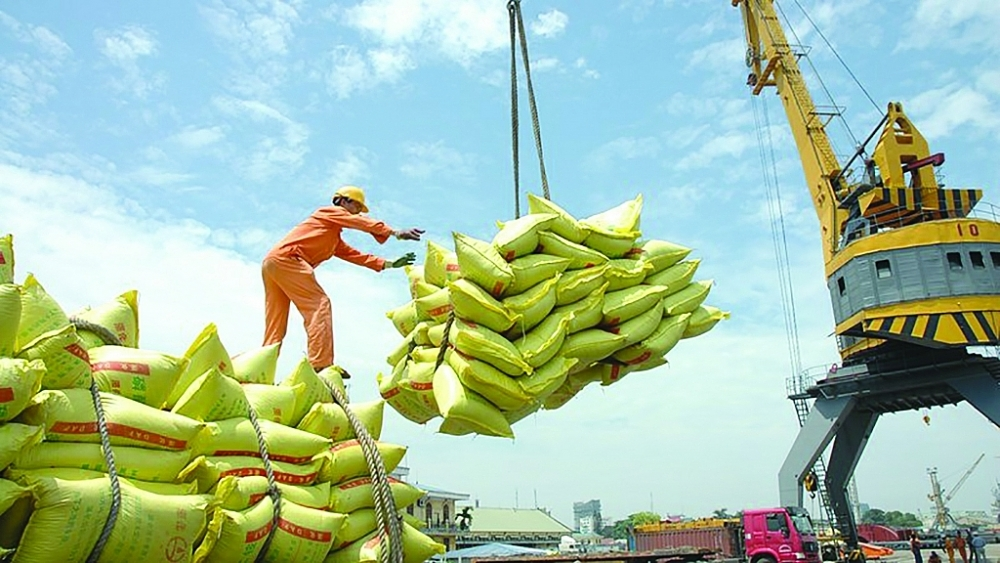
What Are Vietnam Rice Export Standards?
The quality and diversity of rice varieties are important factors in international rice exports. Exporters need to offer high-quality rice and a diverse range of varieties to meet different consumer and market requirements.
In addition, businesses exporting rice to international markets must comply with other requirements related to food safety and packaging. These standards are established to protect consumers while enabling importing countries to control the quality and safety of products entering their markets.
So, what exactly are Vietnam rice export standards, and why do businesses need to comply with these requirements?
Rice Quality Standards
Rice quality standards are a system of regulations and mandatory criteria that rice products must meet in order to qualify for customs clearance and export to international markets. Rice quality is one of the most important criteria used to evaluate an export shipment.
Depending on the requirements of each destination market and rice variety, exporters need to control technical specifications carefully to ensure consistent rice quality before the product enters the international market.
Broken Rice Percentage
In rice exports, the broken rice percentage is one of the first technical specifications that international buyers consider when evaluating a shipment. This indicator represents the percentage of rice grains broken during the milling process compared with the total weight of the finished product.
Rice is commonly classified into categories such as 5% broken, 10% broken, 15% broken, 25% broken, or 100% broken to meet the requirements of different customer segments.
In general, the lower the broken rice percentage, the higher the commercial value of the product, while also making it more suitable for demanding import markets.
Moisture Content
In addition to the broken rice percentage, moisture content directly affects the shelf life and quality of rice throughout transportation and storage.
If rice has excessive moisture, the risk of mold growth, insect infestation, and quality deterioration increases significantly, particularly for rice shipments transported by sea.
Therefore, many markets specify that rice moisture content should generally remain at a maximum of around 14% or 14.5%, depending on the harvest season and import requirements.
Foreign Matter
Rice cleanliness is another important criterion for many importers. During milling and processing, foreign materials such as husks, dust, stones, and other foreign objects need to be removed as much as possible to ensure product quality before packaging.
In general, the foreign matter content in exported rice is typically allowed to range from approximately 0.1% to 0.2%, depending on the requirements of each destination market.
Yellow and Red Kernels
The overall appearance of rice also has a significant impact on its commercial value. Yellow kernels caused by improper storage, as well as red kernels or red streaks in white rice, can reduce the uniformity of a shipment.
Therefore, importing markets may specify limits for yellow and red kernels, commonly at around 0.5%, to maintain product quality and visual consistency.
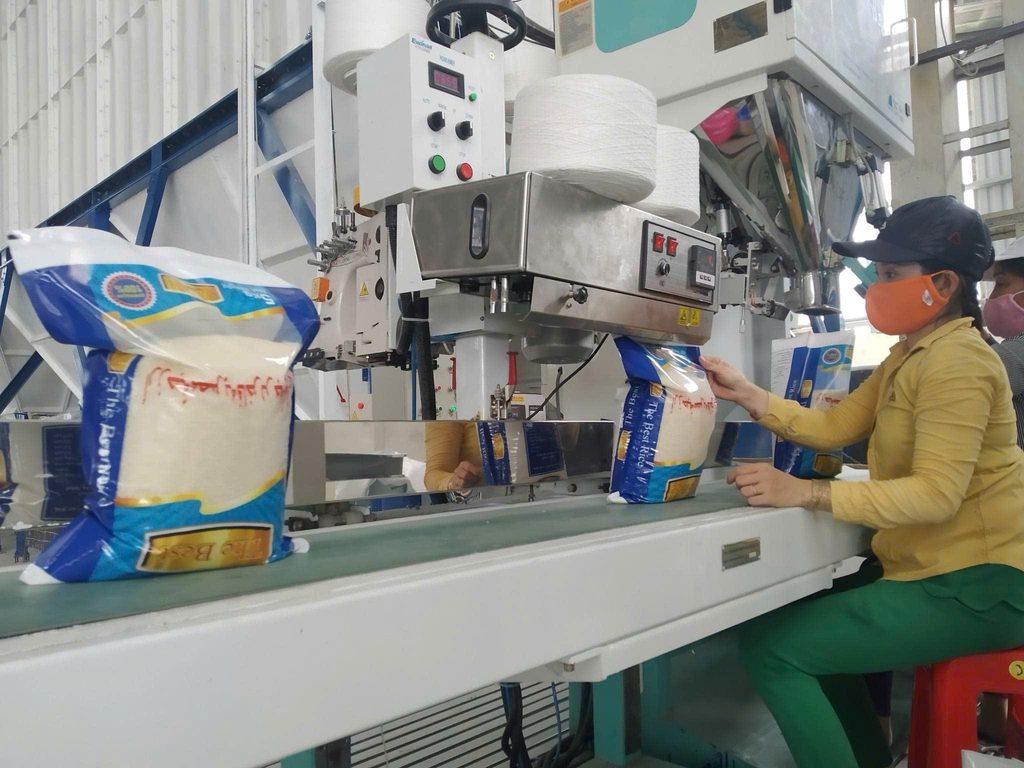
Food Safety Standards
In addition to rice quality specifications, food safety is a mandatory requirement for international rice exports. It is an essential requirement for Vietnamese rice entering demanding markets such as the EU, the United States, Japan, and South Korea.
Therefore, exporters need to maintain strict controls throughout the entire supply chain, from the raw material production area and farming practices to processing and pre-export inspection.
Maximum Residue Limits (MRLs)
During rice cultivation, pesticides are commonly used to control pests and protect crop yields. However, if pesticide residues remaining on rice exceed the permitted limits, the product may fail to meet the import requirements of certain countries.
Markets such as the EU and Japan apply strict residue control systems, including the Positive List System, covering hundreds of active substances such as Tricyclazole, Isoprothiolane, and Chlorpyrifos.
Therefore, exporters need to maintain strict control over farming practices to ensure that pesticide residues remain within the limits established by the regulations of the destination country.
Heavy Metals
Heavy metals accumulated in soil and irrigation water can enter rice grains. In addition to pesticide residues, heavy metal levels in rice are therefore closely monitored by many importing markets.
Commonly monitored substances may include Arsenic (As), Lead (Pb), Mercury (Hg), and Cadmium (Cd). Their concentrations must remain within the limits established by international food safety standards or the regulations of the importing country.
Mycotoxins
To control the risk of mycotoxin contamination, paddy rice should be dried to a safe moisture level below 14% within 24 hours and stored in properly ventilated silos or warehouses that meet applicable storage requirements.
Some of the mycotoxins controlled by international markets include Aflatoxin, particularly Aflatoxin B1 and total Aflatoxin, as well as Ochratoxin A.
Microbiological Criteria
The presence of live insects in a shipping container can result in a shipment being rejected, causing financial losses and potentially affecting the exporter’s reputation.
Therefore, exporters need to ensure that rice products do not contain pathogenic microorganisms that could pose risks to consumers. For demanding markets, export rice may be subject to microbiological requirements covering microorganisms such as Salmonella, E. coli, Coliforms, Bacillus cereus, molds, and yeasts.
Rice Packaging Standards
For markets with strict import requirements, product quality is not the only consideration. Importers also pay close attention to packaging standards.
Packaging not only helps protect rice quality during transportation and storage but also reflects the professionalism of the exporter. Packaging should meet requirements relating to durability, labeling, and traceability according to the regulations of each destination market.
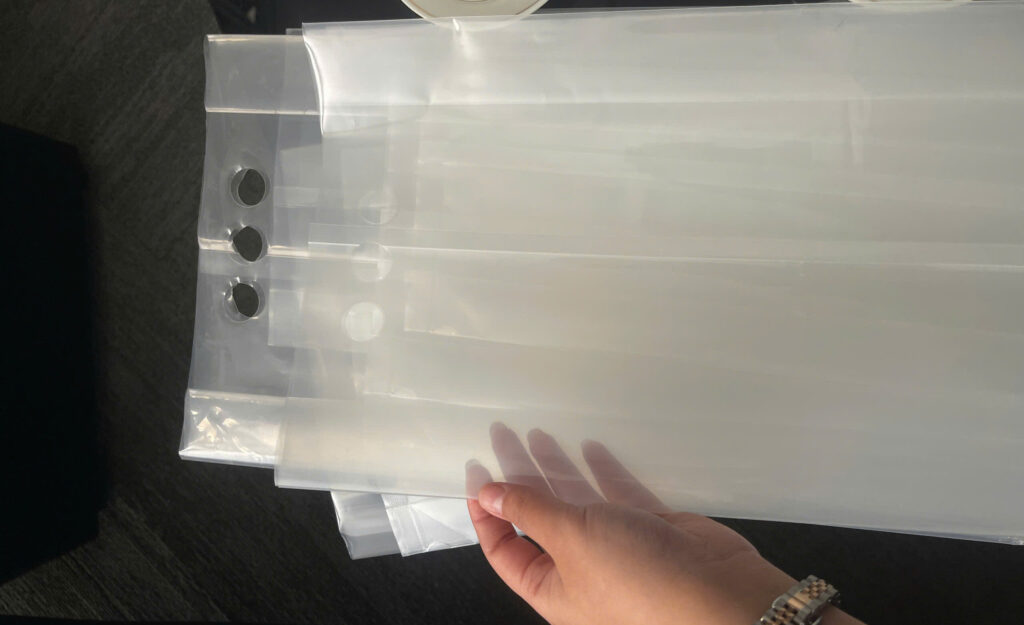
Packaging Materials
PP Woven Bags:
The most common option for large export orders, typically in 25 kg and 50 kg bags. PP woven bags offer high durability and good tensile strength when stacked inside containers.
PE / PP Laminated with OPP Film:
Commonly used for premium rice segments. This type of packaging provides high-quality printing and improved moisture resistance.
PA/PE Vacuum Bags:
Often used for fragrant rice, organic rice, and ST25 rice in smaller pack sizes such as 1 kg, 2 kg, and 5 kg. Vacuum packaging helps preserve aroma while protecting the product from insects and oxidation.
Jumbo Bags (Container Bags / FIBC):
Typically available in 1-ton to 1.2-ton capacities and used by bulk buyers purchasing rice for industrial-scale bottling or repackaging in the destination market.
Standard Packaging Weights
Depending on the destination market and intended use, exported rice can be packaged in various sizes, including 1 kg, 2 kg, 5 kg, 10 kg, 25 kg, and 50 kg.
In addition to standard packaging sizes, exporters can customize packaging according to specific buyer requirements.
Product Labeling
Packaging labels are among the first elements checked by customs and relevant authorities in the importing country before customs clearance.
Accurate and complete labeling not only helps businesses comply with the legal requirements of the destination market but also improves transparency and strengthens buyer confidence.
Rice packaging should generally include the product name and rice variety, exporter information, batch information, country of origin, and expiration date.
Traceability
For demanding markets such as the EU, the United States, and Japan, traceability is an important requirement. Traceability tools such as barcodes, QR codes, and production-area records can help buyers and relevant authorities verify the origin of the rice more efficiently.
Certifications for Rice Exports
In addition to meeting product quality standards, many markets require exporters to implement recognized food safety and quality management systems.
Obtaining internationally recognized certifications can help businesses address technical barriers and demonstrate their commitment to quality and food safety. Depending on the destination market and buyer requirements, some certifications may be required while others can strengthen an exporter’s market position.
Below are some commonly used certifications and standards in rice exports.
HACCP
HACCP is a food safety management system based on identifying and controlling hazards throughout the food production and supply chain.
Certification is carried out by an independent certification body to verify that a business has implemented the applicable HACCP principles in accordance with the Codex Alimentarius framework.
ISO 22000
ISO 22000 is an international standard for food safety management systems issued by the International Organization for Standardization (ISO).
The standard integrates HACCP principles with broader ISO management system principles and can be applied by businesses involved in food production and international exports.
GlobalG.A.P.
GlobalG.A.P. is an internationally recognized standard for good agricultural practices. It applies directly to farming and raw material production and helps businesses control quality and safety from the agricultural production stage.
BRCGS
BRCGS is a globally recognized food safety standard originally developed for the food retail and supply chain sector. It is commonly requested by major retailers and international buyers.
Halal
Halal certification demonstrates that a product and its production processes comply with applicable Islamic requirements.
It is particularly relevant when exporting food products to Muslim-majority markets and other buyers requiring Halal-compliant products.
Rice Import Standards by Market
Import requirements vary depending on the destination market. Major markets such as the EU, China, and Japan each have their own requirements concerning pesticide residues, rice quality, food safety, and phytosanitary controls.
Depending on trade policies, food safety requirements, and consumer preferences, exporters need to carefully study the requirements of each destination market in order to select suitable products and minimize export risks.
European Union (EU) Market
The EU applies strict controls to pesticide residues and food safety requirements.
Many active substances, including Tricyclazole, Isoprothiolane, and Chlorpyrifos, are subject to strict maximum residue limits. Exporters must also comply with applicable food safety and traceability requirements.
Depending on the buyer and supply chain, certifications such as BRCGS, IFS, or ISO 22000 may also be requested.
Export shipments should have clear and reliable traceability throughout the supply chain.
Japan
Japan has strict requirements concerning rice appearance and quality consistency. Buyers may pay close attention to broken rice percentage, moisture content, grain size, color uniformity, and the presence of discolored or defective grains.
Japan also maintains strict controls on agricultural chemicals. Where a substance does not have an established specific standard, the applicable default limit may be 0.01 ppm under the relevant regulatory framework.
Middle East Market
For many buyers in Muslim-majority markets, Halal compliance can be an important requirement. Depending on the destination country and buyer, requirements may cover the production, transportation, processing, packaging, and storage processes to prevent contamination with prohibited substances under Islamic requirements.
Because rice may be transported by sea for extended periods and stored in hot climates, exporters also need to carefully control moisture content and storage conditions to reduce the risk of fermentation, mold growth, and insect infestation.
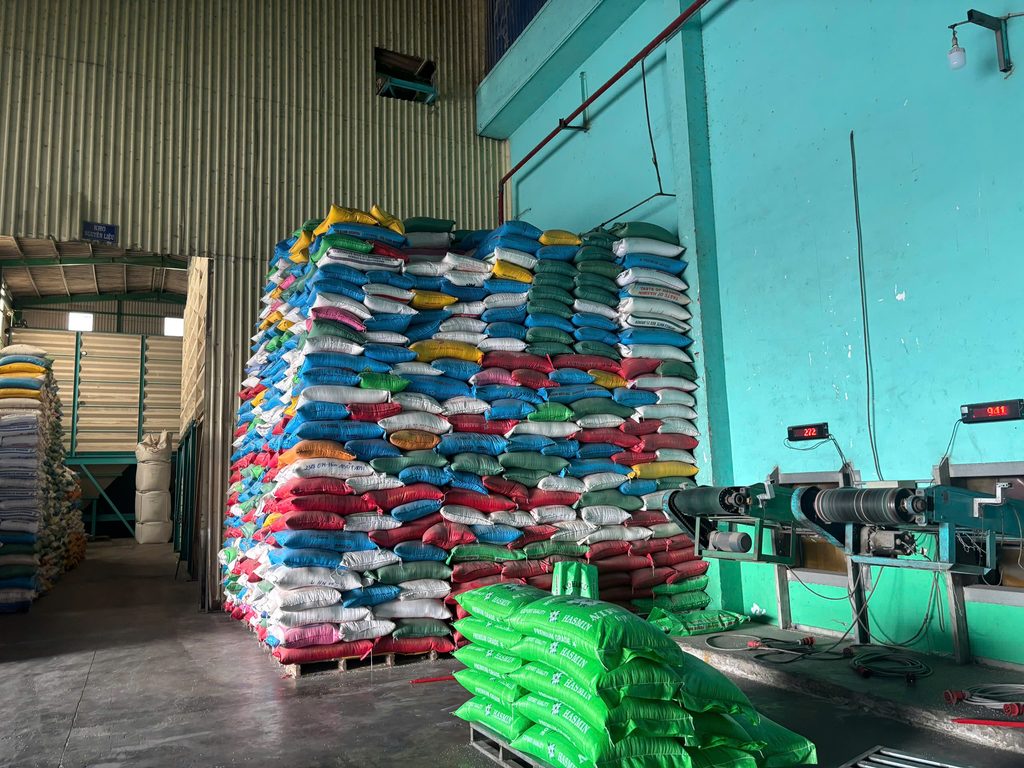
What Should Businesses Prepare to Meet Rice Export Standards?
To bring rice products to international markets and meet the requirements of overseas buyers, businesses cannot rely solely on final product inspection.
Preparation should be implemented systematically across the entire supply chain, from raw material management and processing to quality inspection and export documentation.
Raw Material Area Control
To control raw materials, businesses can work with farmers to establish concentrated production areas and develop purchasing or contract-farming arrangements to secure a stable supply.
Businesses should maintain records of pesticide applications and fertilizer use so that relevant information can be provided to inspection authorities when required.
Applying standards such as GlobalG.A.P. or VietGAP and strictly controlling the permitted list and pre-harvest intervals of pesticides can also help strengthen raw material management.
Production Process Control
After harvesting, rice should be processed through a controlled production process to maintain finished-product quality.
Processing stages such as drying, milling, polishing, grading, and packaging need to be closely monitored to minimize broken grains, foreign matter, and cross-contamination.
Investing in modern machinery and implementing an effective quality management process can help businesses achieve more consistent products and meet international buyer requirements.
Quality Inspection
Before export, each rice shipment should be inspected and evaluated according to the quality specifications agreed with the buyer and the requirements of the destination market.
Typical inspection parameters may include broken rice percentage, moisture content, foreign matter, food safety indicators, and other technical specifications.
Quality inspection helps exporters verify product conformity while reducing the risk of disputes or shipment rejection at the destination port.
Preparing Export Documentation
Depending on the destination market, export documentation may include the commercial contract, commercial invoice, packing list, certificate of origin, phytosanitary certificate, and other relevant quality or compliance certificates.
Preparing complete and accurate documentation can support a smoother customs clearance process and reduce avoidable export risks.
Keeping Up with Export Market Requirements
Rice import regulations can change depending on the country and time period. Businesses therefore need to regularly monitor updates relating to quality requirements, food safety, labeling, certifications, and other import regulations.
Keeping up with regulatory changes allows exporters to adjust their production and export processes in a timely manner, meet buyer requirements, and identify new opportunities in international markets.
Conclusion
As international rice markets continue to tighten requirements for quality and food safety, compliance with Vietnam rice export standards has become an essential part of doing business internationally.
Preparing carefully from the raw material production stage through processing, quality inspection, packaging, traceability, and export documentation can help businesses improve export efficiency and expand opportunities for cooperation in international markets.
We hope this guide gives you a clearer understanding of rice export standards, quality requirements, food safety regulations, packaging standards, certifications, and destination-market requirements.
For more useful information about the rice export industry and international agricultural markets, visit BONG LUA VIET.